International Students of UAD 2018-2021
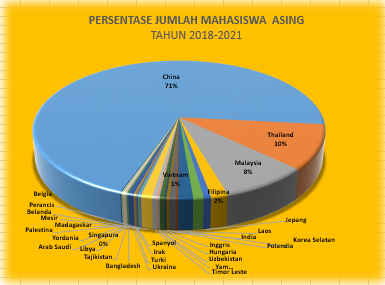
Total number of International Students 2018-2021
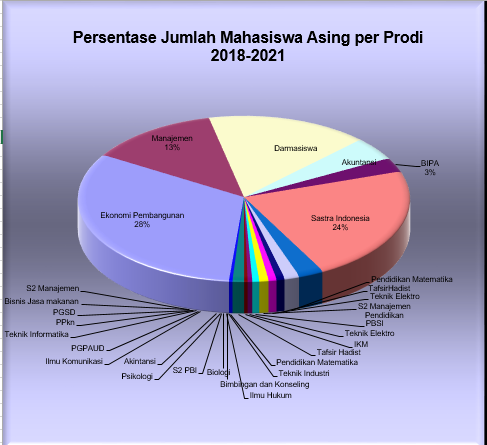
The number of International students based on the Study Program

Total number of International Students 2018-2021
The number of International students based on the Study Program

Seven Indonesian universities, namely Universitas Ahmad Dahlan, Universitas Islam Indonesia, Universitas Brawijaya, Semarang State University, Padjajaran University, President University, and STIE Malangkuḉeḉwara as well as three European universities consisting of the University of Gloucestershire (UoG), from United Kingdom, The International School for Business and Social Studies (ISBSS) from Slovenia, and the University of Granada from Spain have held a virtual kick-off meeting for the iHiLead program on March 1st and 2nd, 2021. iHiLead is a university consortium that aims to improve the quality of higher education in Indonesia through reformation of leaders and leadership in higher education by giving training programmes as well as strengthening strategic planning and governance at Indonesian universities.
This consortium is under the supervision of the Directorate General of Higher Education, Ministry of Education of Republic of Indonesia. In its implementation, the iHiLead consortium is supported by the Eramus+ program which is funded by the European Union. Opening remarks and press conferences which launched on Tuesday, March 2, 2021 at 19.00 (GMT+7) were delivered by Prof. Ir. Nizam, M.Sc., DIC, Ph.D. the Director General of Higher Education, Ministry of Education and Culture, Republic of Indonesia; Ambassador of the European Union to Indonesia and Brunei Darussalam, H.E. Mr. Vincent Piket, M.A, Ph.D, and David Dawson, Ph.D, FCIPD, SHEA – the Director of Master of Arts Higher Education Leadership and Management from the University of Gloucestershire, United Kingdom. The kick off meeting was also attended by more than 250 participants from various universities in Indonesia. The iHiLead project will be implemented for three years, from January 15, 2021 to January 14, 2024.
Find more detailed information here
The mission of the BUiLD project is to develop Indonesia’s national crisis management and resilience knowledge, preparedness and response capability, through the design and implementation of a Disaster Resilience Framework across Indonesia and its Higher Education Institutes”
Michael Fuller MBE, BUiLD Project Manager
Indonesia is at constant risk of volcanic eruptions, earthquakes, floods and tsunamis. According to the National Board for Disaster Management (BNPB) 2,800 disasters occurred in Indonesia in 2018 leaving 4,800 people dead or missing, 21,000 injured, and 10 million had to migrate. Besides, extreme wet or dry seasons can ruin food crop harvests, trigger inflation and put financial pressure on the poor, whilst man-made disasters such as forest fires can have far-reaching consequences.
As a signatory of the Sendai Framework and the UN Sustainable Development Goals (SDGs), Indonesia is committed to improving its disaster resilience. The BNPB was established in 2008 to legislate on key risk reduction policies and the allocation of research and early warning tools.
Article 6 Law No 24 (2007) articulates the responsibility of the Government in the conduct of disaster management ranging from disaster risk reduction efforts, assurance of the rights of people affected by disasters, recovery of conditions from disaster impacts, budget allocations and the maintenance of archives.
Problems that impede the effective implementation of mitigation and response strategies remain endemic in each aspect of disaster resilience, including sub-optimal performance in coordination and cooperation in emergency response and post disaster recovery, inconsistent data and lack of version control in capturing the impact of disasters, too much emphasis on emergency response rather than disaster prevention and risk reduction / awareness training, a notion that the role of the government and other external parties is too dominant with little involvement of local communities, suboptimal utilisation of science and technology in reducing disaster risks, such as the utilisation of technology-based early warning systems, low risk awareness amongst the local population, and weak law enforcement and corruption.
Capacity building in universities is listed as one of Indonesia’s development priorities in its endeavour to improve the country’s disaster resilience, alongside the enhancement of disaster management regulatory frameworks, the integration of risk reduction programmes into development programmes, community based disaster management, the establishment of an Indonesian Rapid Response and Action Team, specific risk reduction programmes for groups with special needs, and the enhancement of the private sector, NGOs and government partner organisations.
Universities have strong networks within the public and private sector and with local, regional and international communities. This places them into a unique position to not only act as catalysts for research and educational initiatives, but also to mobilise networks, resources and specialist expertise in the event of emergencies and during recovery phases. This position is strengthened through their capacity to contribute to knowledge transfer, scenario planning, post-assessments and impact studies, curriculum development and innovative research initiatives to improve the diverse aspects of disaster resilience prioritised in the National Disaster Management Plan.
As socially responsible organisations, universities have a duty to reflect on how their educational strategies, research and business development activities, engagement with stakeholders and their institutional governance relate to the SDG disaster risk reduction targets. Moreover, universities are typically large organisations with a duty of care towards their students, staff and associated communities and whose activities contribute substantially to local and regional socioeconomic development.
Whilst numerous organisations, projects and good practice models already exist dedicated to improving various aspects of disaster resilience, universities can serve as key players in their consolidation, innovation, dissemination and future implementation.
Nadine Sulkowski, BUiLD Project Lead
BUiLD stands for “Building Universities in Leading Disaster Resilience”. It is funded by the Erasmus+ Capacity Building in Higher Education Fund.
We are creating a Centre of Excellence in Disaster Resilience in each participating Indonesian university. Under the umbrella of a National Disaster Resilience Network, these centres will act as local enablers in the implementation of a comprehensive Disaster Resilience Framework. Based on the penta helix model, the vision behind the centres and the National Disaster Resilience Network is to facilitate collaboration between universities and the public, private and third sector.
The Disaster Resilience Framework integrates resilience capacity building at multiple levels, including the individual, programme, institutional, regional and national level. It addresses several aspects of resilience capacity-building, including university governance, disaster response and recovery capability, disaster awareness training, curriculum development, fundraising, networking, knowledge transfer, and research and innovation. The BUiLD project therefore also aims to increase the attractiveness of disaster resilience education and career development in order to build future leadership capacity.
A strong commitment to realising these objectives and the vision for the creation of a comprehensive Disaster Resilience Framework is shared amongst all consortium partners. Cumulatively, Indonesian partner universities have a diverse network and close working relationships with key organisations. These include the National Ministry of Education and Higher Education, the National Disaster Mitigation Agency (BNPB), non-governmental disaster aid organisation ACT Alliance, the Muhammadiyah Disaster Management Centre (MDMC) and funding platforms kitabisa and Lazismu.
At local level, partner universities have working relationships with emergency services, including the police, hospitals, the military and with local businesses and communities. Through the BUiLD project, we endeavour to consolidate and considerably strengthen the disaster resilience expertise and response capability that already exist in partner universities and their networks.
Aligned with the aims of the Erasmus+ Capacity Building in Higher Education programme, the project will lead to the modernisation of university governance across Indonesia, improve the management and functioning of universities in crisis situations, and strengthen their external relationships.
Professor Neil Towers, BUiLD Advisory Group
For more detailed information, please check here
With a population of over 260 million, Indonesia is Southeast Asia’s largest economy and the world’s fourth most populous nation. Current support for start-ups is fragmented and there is a need for a more coordinated approach by educational institutions, government bodies and industry in building Indonesia’s entrepreneurial capacity and in reducing reliance on foreign labour as well as outward economic migration.
The Growing Indonesia – a Triangular Approach (GITA) project operates at a national, regional, local, institutional and programme level. The project is creating a growing network of Growth Hubs across Indonesia aimed at embedding entrepreneurship education into University curricula and providing support services to local entrepreneurs and start-up businesses. These hubs are physical spaces with an incubation facility for cultivating innovation and exploiting new ideas applied to the local and regional economies.
The creation of Growth Hubs is the central and outward facing component of the innovative Growing Indonesia Triangular Approach (GITA) that integrates business-university collaboration, graduate entrepreneurship and enterprise creation in a strategic way to embed entrepreneurial thinking and activity across all organisational levels.
The GITA project is funded by the European Union Capacity Building in Higher Education Programme which offers a unique opportunity to strengthen higher education ties between Europe and Indonesia.
The project informs policy making with regard to human capacity building as well the provision of funding for entrepreneurial activity. Additionally, relevant professional bodies will benefit from access to the GITA Learning Network which in turn will inform their networking activities and future iterations of their accreditation schemes.
Universities will benefit from the development of a set of entrepreneurial learning outcomes that inform graduate profiles and in turn make these more competitive. The development of a physical and virtual space to promote university-enterprise cooperation enhances the visibility and impact of entrepreneurship and innovation promoting activities within universities, adapted to specific national, regional and local needs.
The facilitation of university-enterprise collaboration provides staff with access to innovative and practice informed teaching methods and opportunities for linking teaching with real-world research. Indonesian academics involved in fostering local SMEs will benefit from the expertise of the Learning Network and advice available through the local Growth Hubs.
The creation of entrepreneurial learning outcomes and their embedding within curricula will improve the competitiveness and recognition of associated graduate profiles and thus, the employability of graduates. By increasing the business acumen of graduates they more are likely to become entrepreneurs. Students will benefit from having access to a recognised platform for career development, job searches and start-up advice.
The creation of a physical as well as virtual space that enables ongoing university – enterprise collaboration and collaboration with other stakeholders will facilitate ongoing dialogue about the currency of curricula, the effectiveness of learning and teaching methodologies, benefits derived by different stakeholders and different activities, and opportunities for innovating and improving the work of both Growth Hubs and the GITA Learning Network.
During the implementation phase, local entrepreneurs are able to feed into and benefit from the creation of a physical and virtual one-stop shop to address their various business needs, and through their input into the project, contribute to the creation of graduate profiles that meet the needs of the SME sector. SMEs will be able to advise on the range of learning activities involving students for mutual benefit (i.e. consulting projects).
Local entrepreneurs will continue to benefit from an evolving and expanding range of services and networking opportunities and from access to a better qualified pool of interns and graduate employees. It is envisaged that those who have benefited from the services of the Growth Hubs will become active in supporting future activities, either by becoming graduate employers, mentors to local businesses or start-ups, or by investing into funding.
By feeding into the project, SMEs are able to advise on the specific entrepreneurial and educational needs of the local community and thereby shape the services and activities provided by local Growth Hubs and Learning Networks. The cross-institutional GITA Learning Network will continue to operate at a national level and extend to other HEIs adopting the triangular approach / Growth Hub model.
Ongoing publicity is ensured through a national, regional and local impactful social media strategy which will be developed as part of the project. Involvement of The Ministry for Education and Higher Education ensures that the activities of the Learning Network remain relevant to policy making. The same applies to the interaction between the GITA Learning Network and professional bodies and its impact on accreditation schemes and associated educational provision.
By continually feeding into the work, SMEs ensure that the services provided by Growth Hubs and the Learning Network remain relevant to the specific entrepreneurial and educational needs of the local community. Through this, the Growth Hub and GITA Learning Network can act as vehicles for human capacity development and job creation and have a positive impact on standards of living and societal wellbeing.
For more detailed information please check here
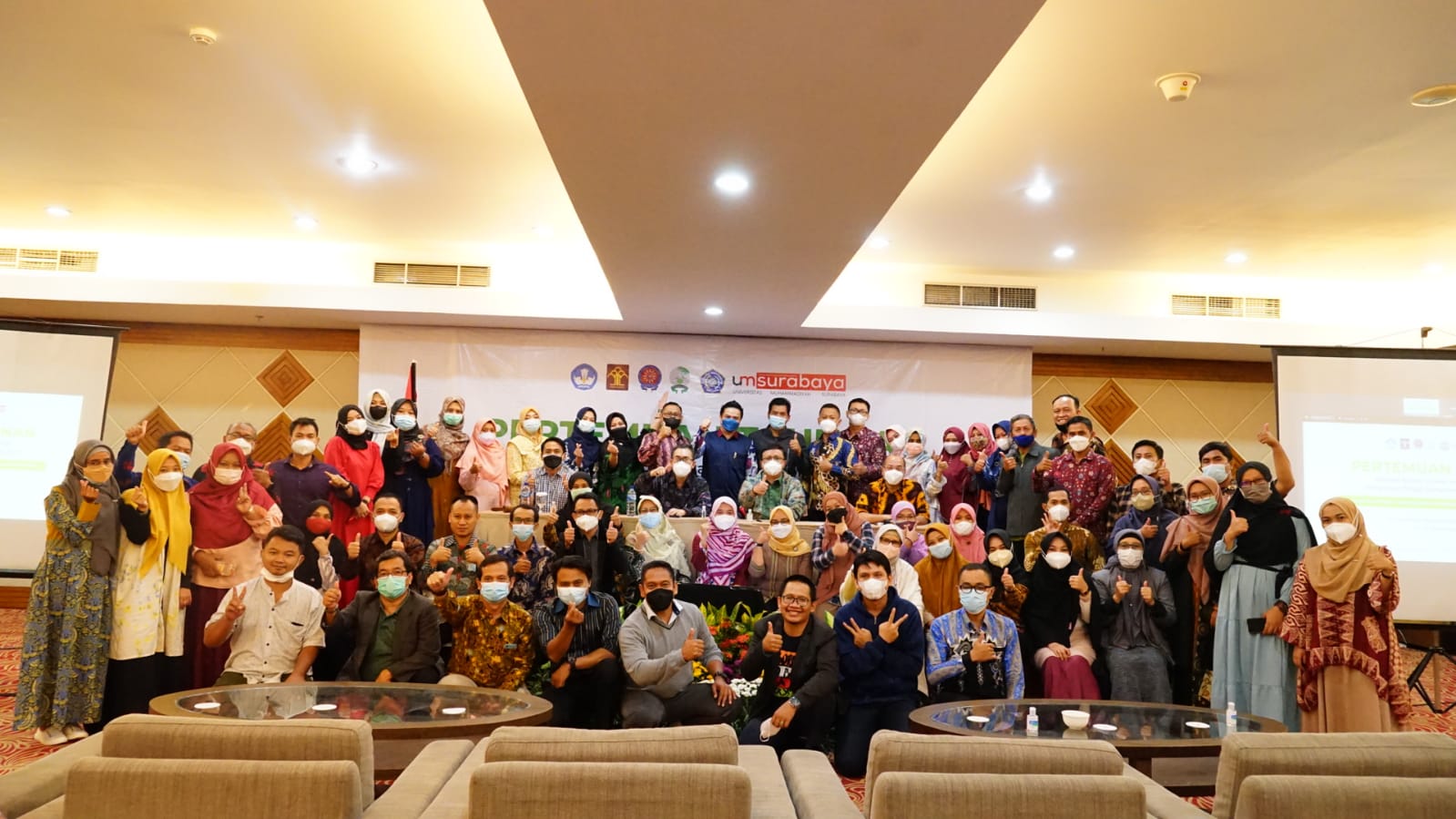
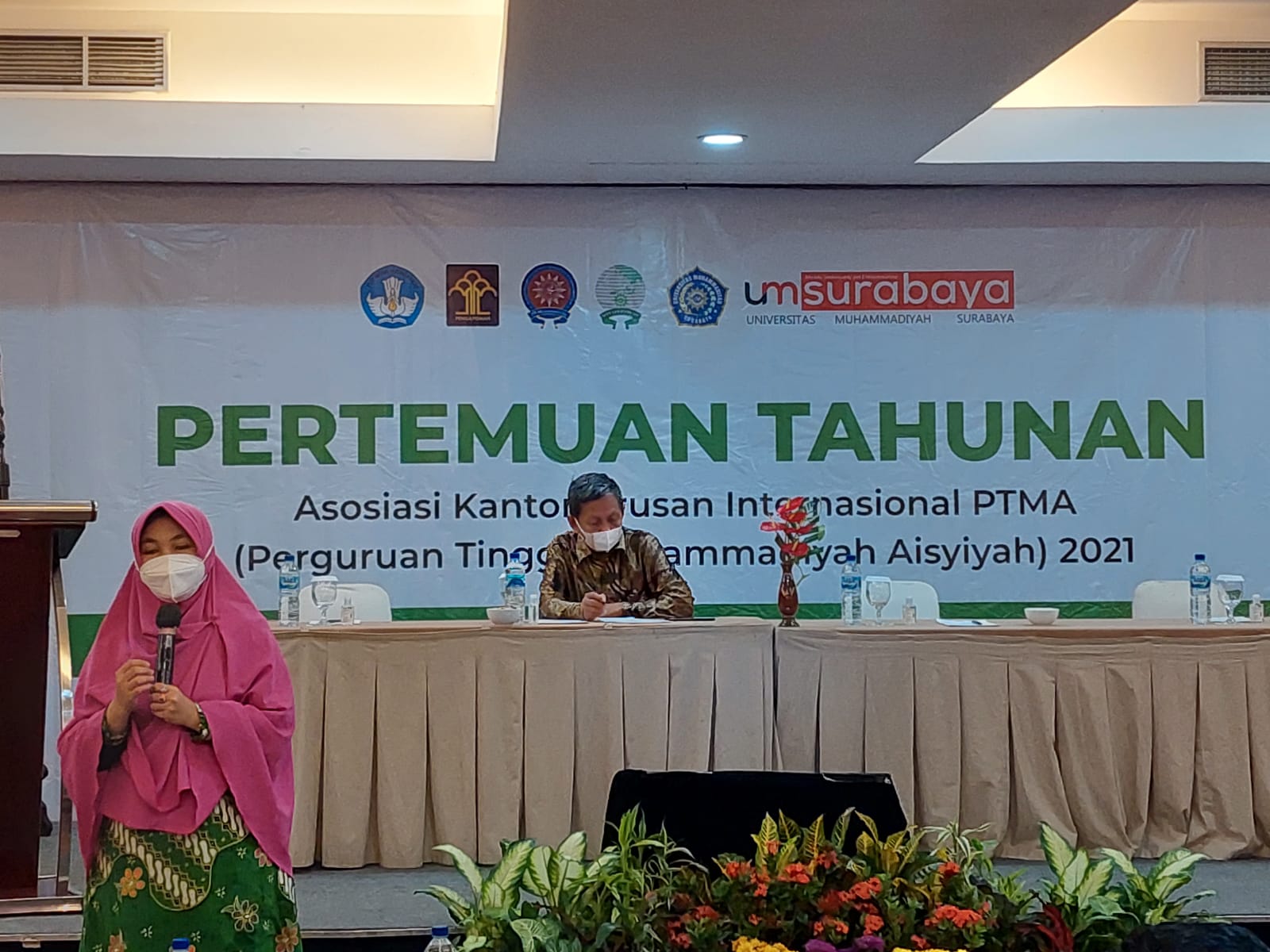
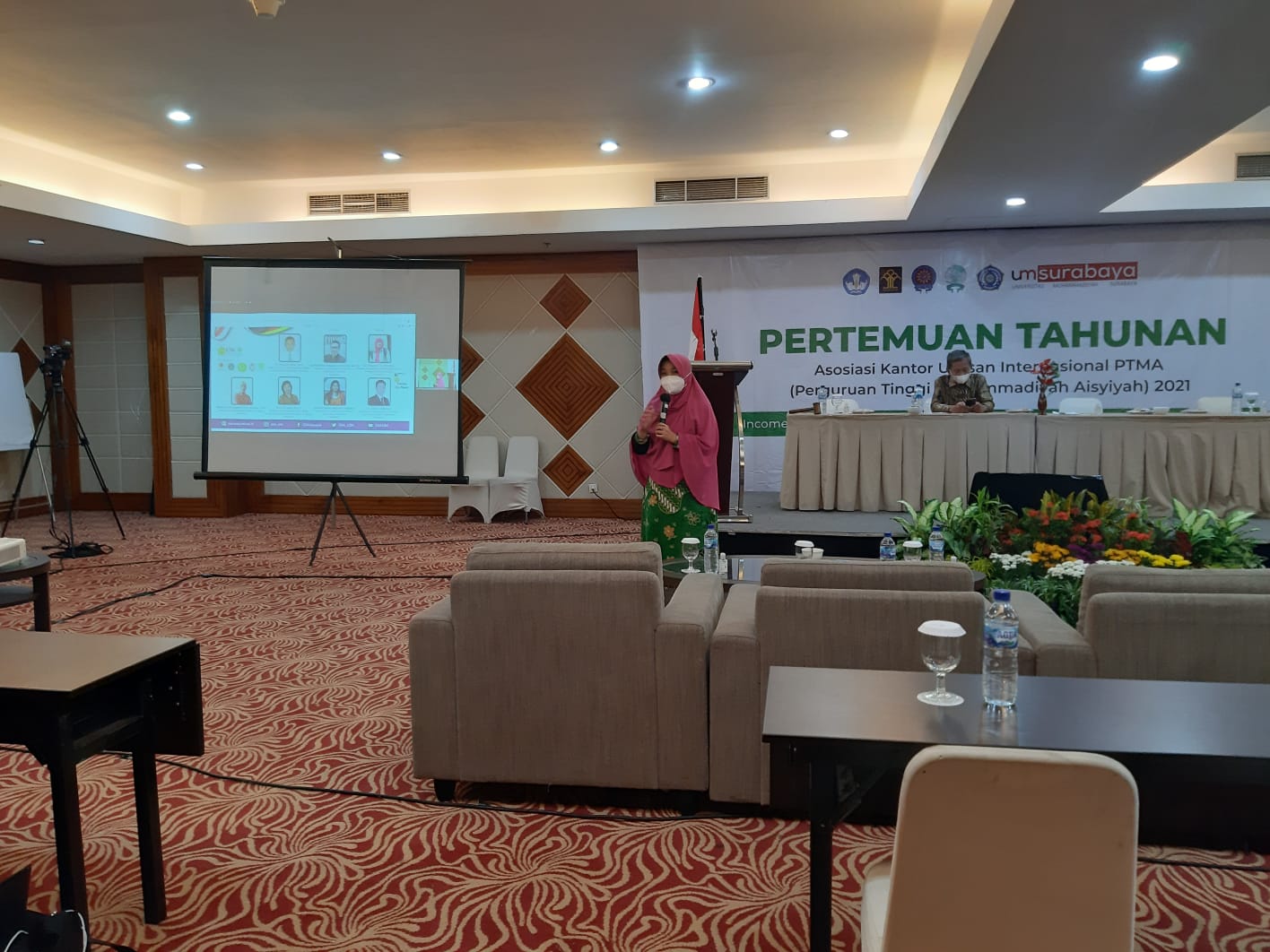
Surabaya (20/12/21) International Office Affairs Association of Muhammadiyah and Aisyiyah Higher Education hold a yearly meeting.
This meeting was officially opened by Dr. dr. Sukadiono, M.M. (Rector of Muhammadiyah University of Surabaya), and Prof. Dr. H. Edy Suandi Hamid, M.Ec.
Firman Hidayat, S.S., M.Si. (Representative of Ministry of Education and Culture of Republic of Indonesia) presented strengthening international cooperation and reporting ongoing cooperation. Dr. Muslich Hartadi Hartanto from Universiti Technology PETRONAS Malaysia presented the Implementation International Cooperation. It was followed by presentation on Indonesian International Students Mobility Awards (IISMA) delivered by Yordan Gunawan, SH., MBA., MH. (Head of International Relations Office (IRO) UMY.
On first day’s evening of international Office Affairs Association of Muhammadiyah and Aisyiyah Higher Education yearly meeting, the forum decided Yordan Gunawan, SH., MBA., MH. is going to lead the national forum until 2023. He also was chosen as the leader of international Office Affairs Association of Muhammadiyah and Aisyiyah Higher Education 2019/2021.
Opening the second day ,Putri Nailatul Himma, and AA Sodikin presented and discussed Study Permit for International Student.
It was followed by presentation on International Credit Transfer (ICT) program delivered by Ida Puspita, M.A.Res. (Head of International Office Affairs of UAD).
Prof. Lincolin Arsyad, Ph.D. officially closed this program. Following the closing ceremony, Ida Puspita, M.A.Res. delivered information on International Webinar Scheduled by DAAD.
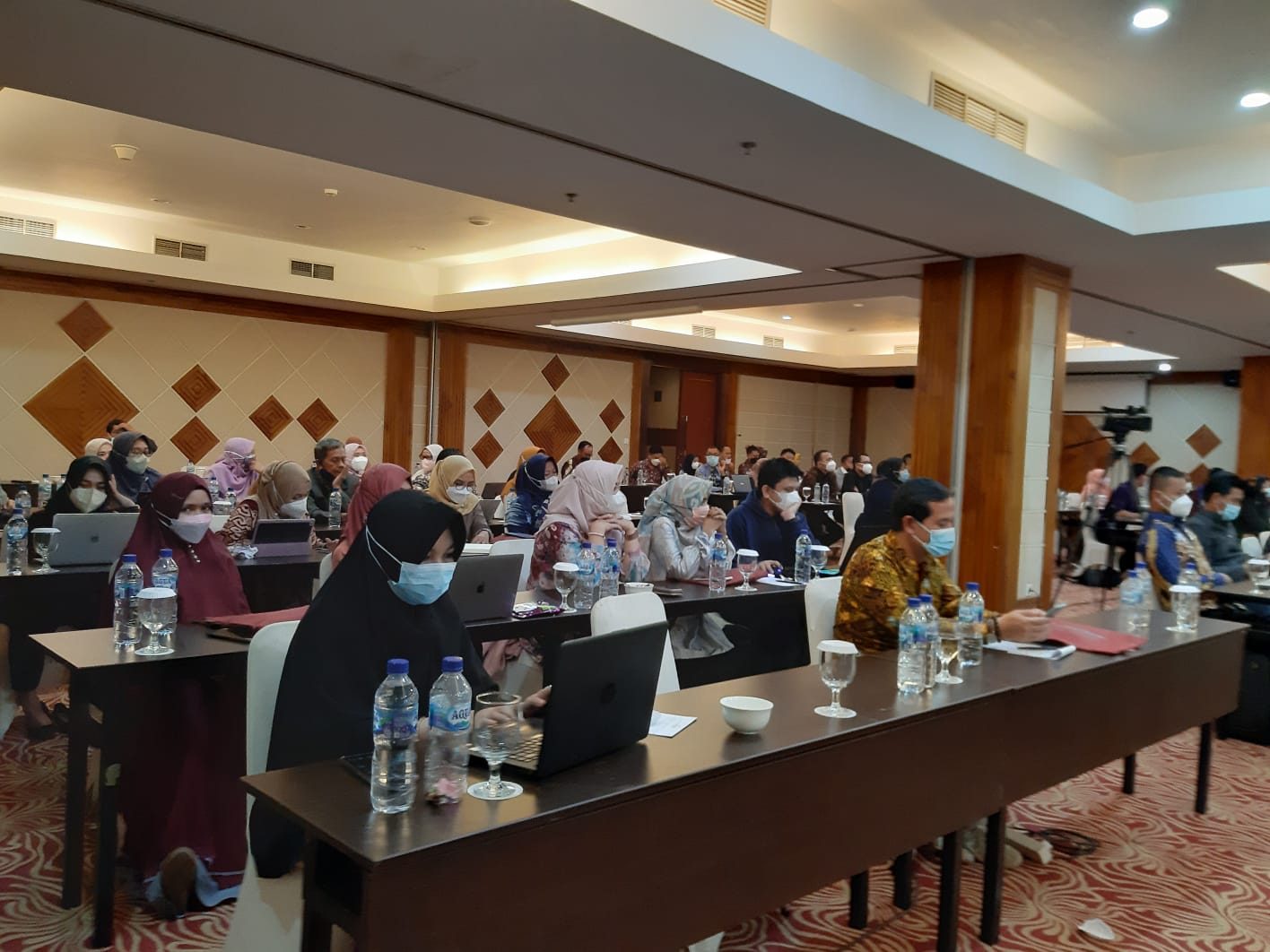
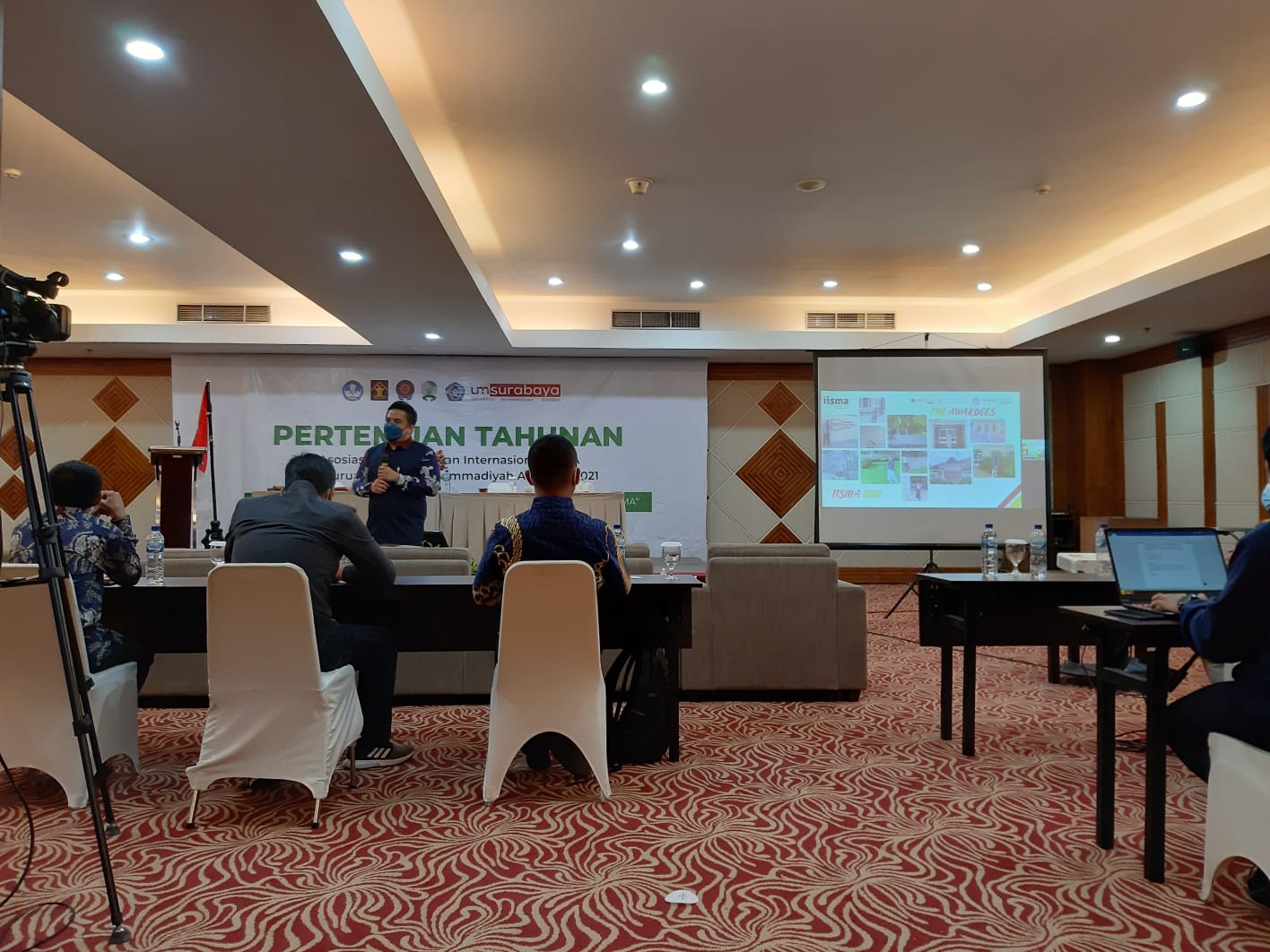

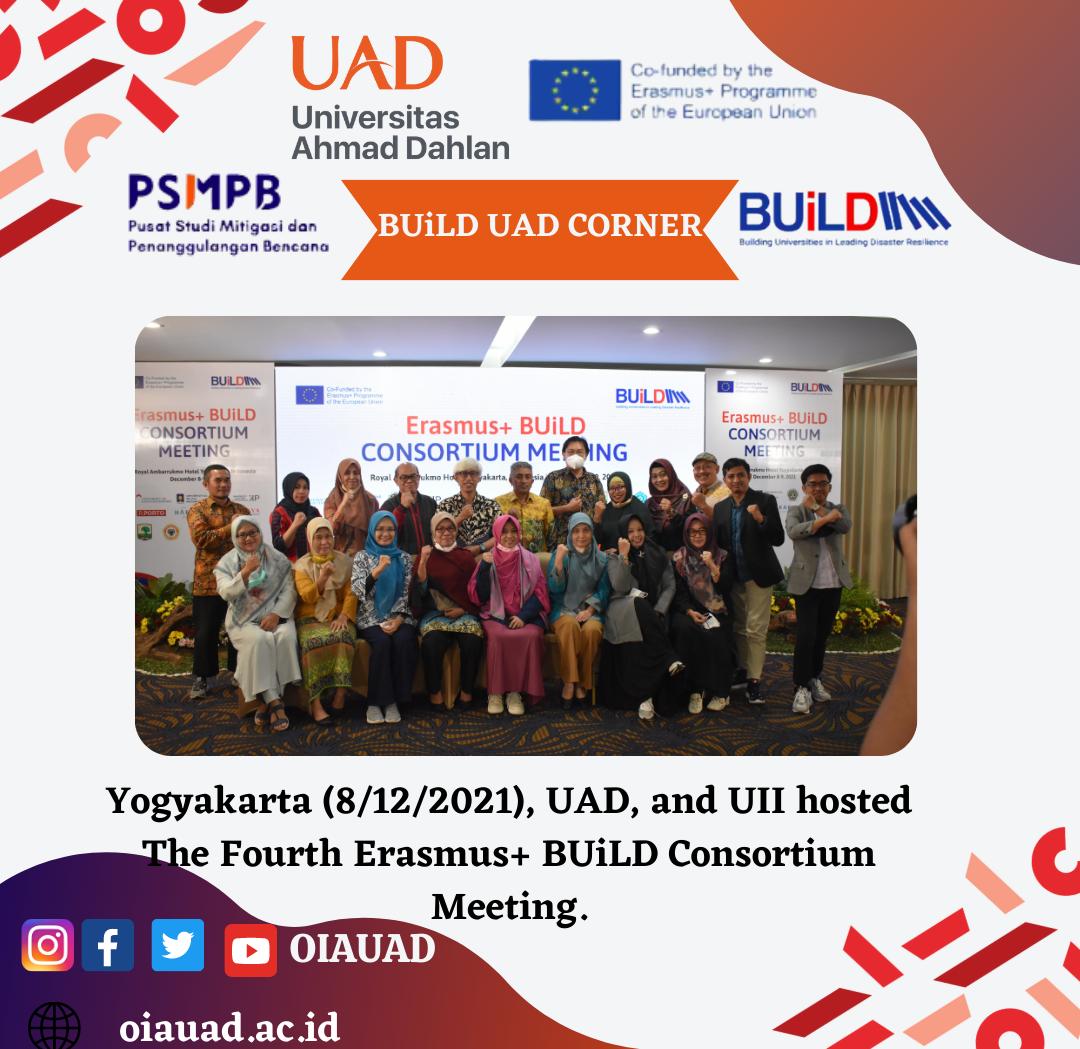
Yogyakarta (8/12/2021) UAD and UII hosted The Fourth Hybrid Erasmus+ BUiLD Consortium Meeting. Located at Hotel Royal Ambarrukmo, this Hybrid meeting was scheduled to hold for two days from 8th to 9th December.
On the first day, an official meeting was held, this meeting was officially opened by Ir. Wiryono Raharjo, M.Arch., Ph.D. (Vice Rector III of UII), and Ida Puspita, M.A.Res. (Head of International Affairs Division of UAD). This consortium is attended by representatives of UAD, UII, President University, University Khairun, Andalas University, Muhamamadiyah Palu University, Lambung Mangkurat University, and Surabaya University. In the first session, the participants were divided into four groups. Each group discussed a prepared topic.
During the second session, each group presented their topic. It was followed by a discussion on Building A National Disaster Management Association. After that, BUiLD national team discussed with the Erasmus team through zoom.
On the second day, the BUiLD national team visited A Dynamic Museum and Gallery of Prof. Sarwidi.